
How Being More Thankful in Little Ways Can Pay Off Big Time

Thank you.
When was the last time you said those words?
How often do you really even say them?
If you’re like most folks, you’re not saying, “thank you,” as much as you think.
In fact, most of us rarely say, “thanks,” even when someone’s doing us a favor or giving us a gift.
How rarely? Only about once every 20 times there’s an opportunity.1
And, yet, expressing gratitude can be really good for us.
It ignites positive emotions and lets us focus on what's good in our lives. That can get us to step outside of our day-to-day thinking and start seeing things in a new light.
Even the simplest expressions of gratitude can go a long way toward making life happier – or even healthier.
So, how can we make gratitude a habit?
What simple things can we do to be more thankful and get more out of life?
Let’s look at some easy, meaningful ways to practice gratitude every day.
7 Easy Ways to Make Gratitude a Habit (And Make Your Life Better)
#1: Choose gratitude
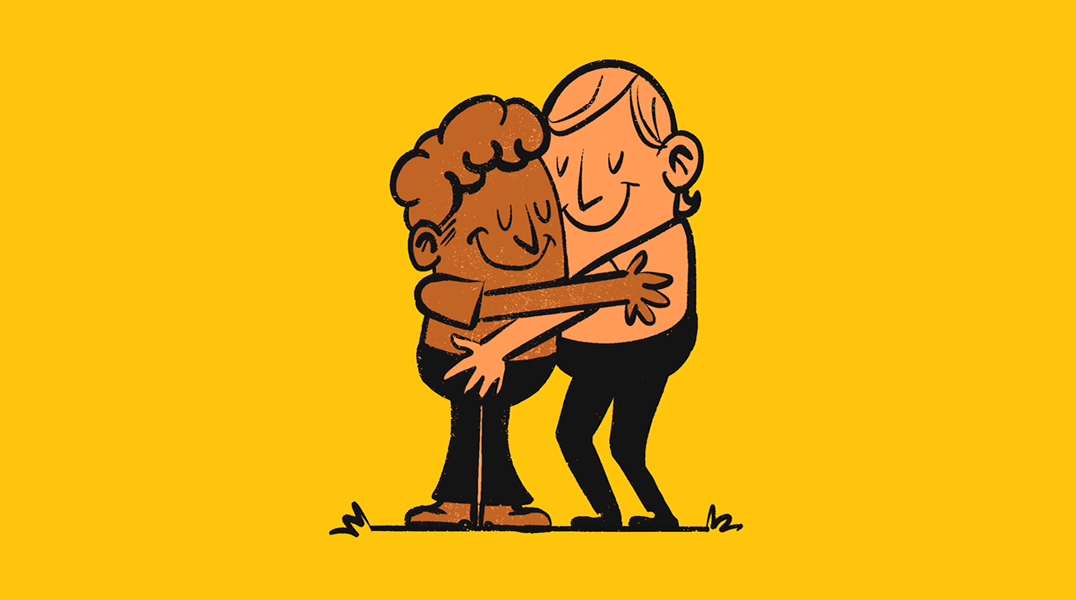
Gratitude is often a choice. It's not automatic. So, choose to recognize when you feel appreciation, thankfulness, and gratitude. And remember, embracing feelings of gratitude can be good. But choosing to express that gratitude can be FAR better.2
#2: Break for gratitude
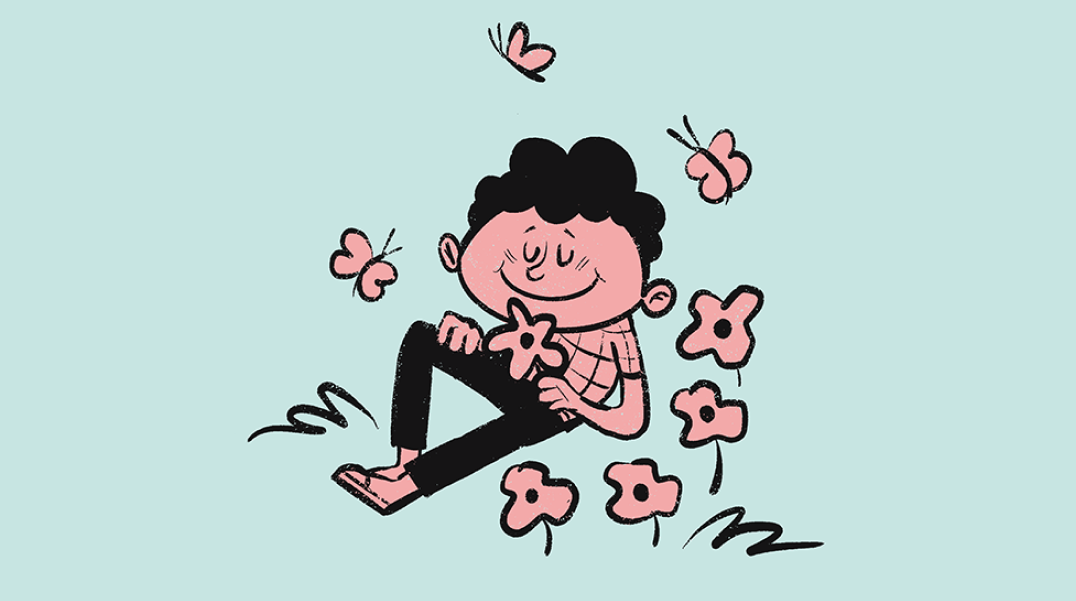
Daily gratitude won't happen if you don't make time for it. So, reserve a few minutes at the beginning or end of your day to reflect on what you're thankful for that day. Then, find some small way to show your appreciation, even if you're the only one who "sees" it.

#3: Create a gratitude list
Writing down what you're thankful for means taking the time to take stock of the good things in your life. Whether or not you share that list with anyone, writing it out lets you see many things that bring you joy all at once. That can give you perspective and make it easier to embrace gratitude every day.2
#4: Accept what you can't change
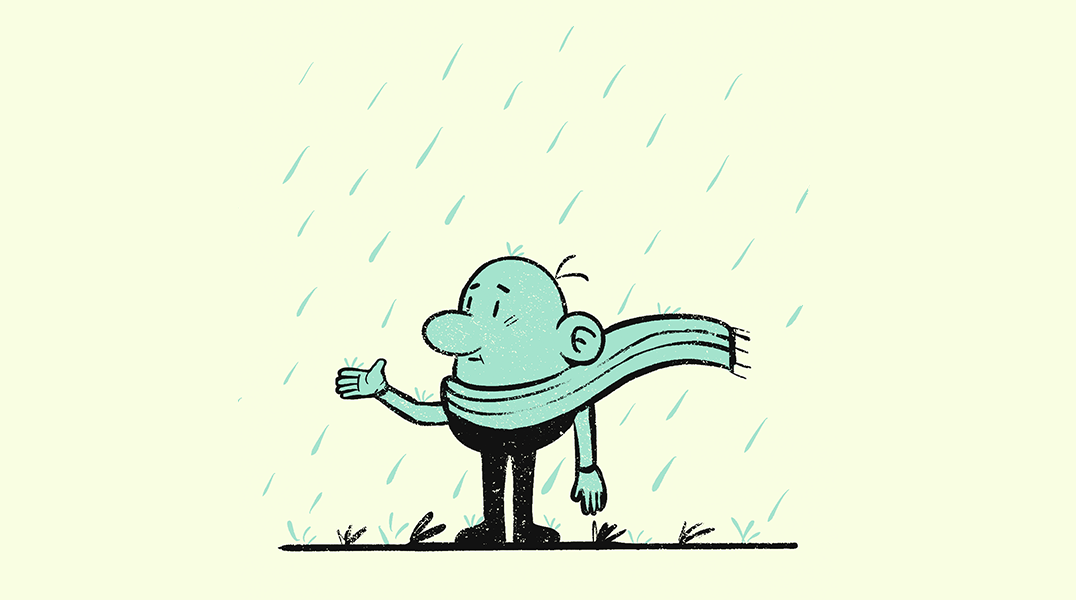
In life, we never have 100% control over everything all the time. We never will either, and that's OK. In fact, the sooner we learn to be OK with that and let things go, the better. Worrying about the things we can't change is just a drain. Letting go of them gives us more time to focus on what we can control.3
#5: Remember and reframe bad experiences
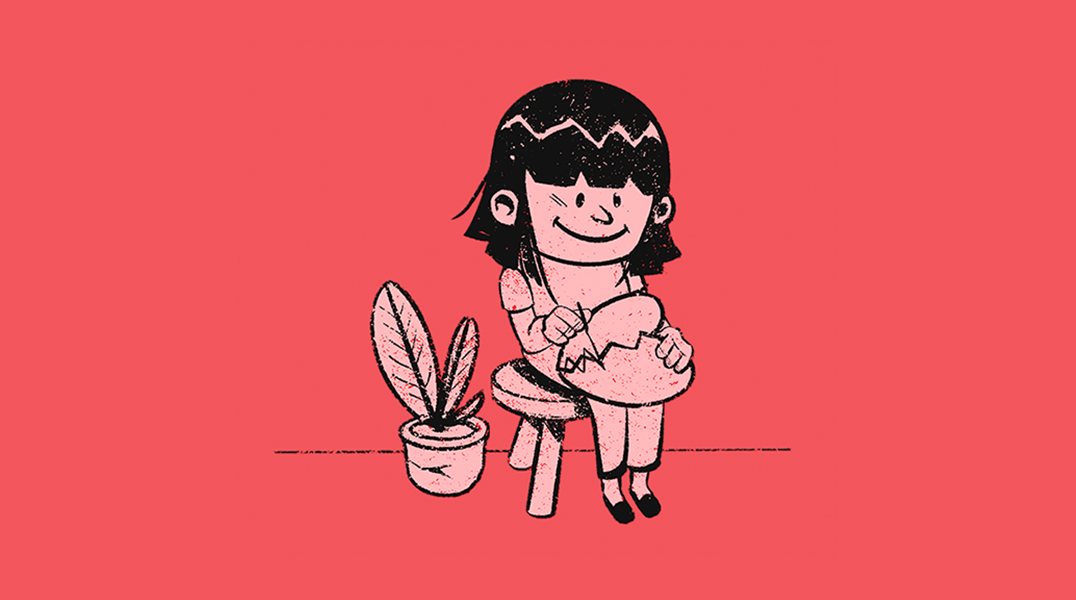
Don't ignore your bad experiences. When they happen or you revisit them, think about what you've learned and what you'd do differently now. When you reflect on the bad and reframe it in terms of what you've learned, you can see how far you've come since then. That can help you be more thankful for the now.4
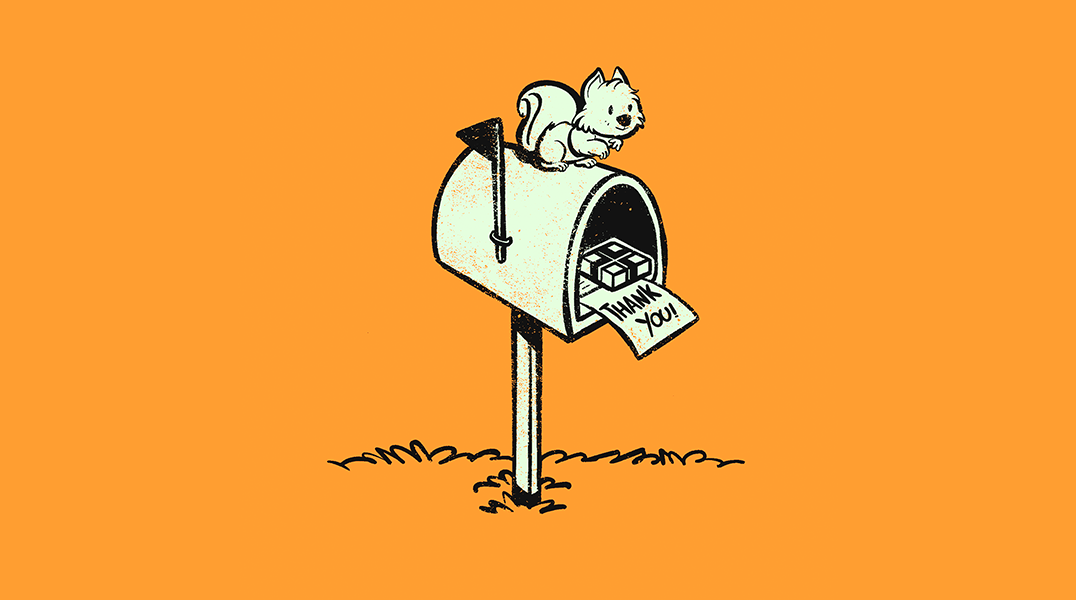
#6: Write and send "thank you" notes
"Thank you" notes don't have to be elaborate or super formal. Just take a couple of minutes to write a few lines about why you appreciate someone or what they did for you. Whether that's on a sticky note, in an email, or in a card, it'll brighten your day and someone else's.2
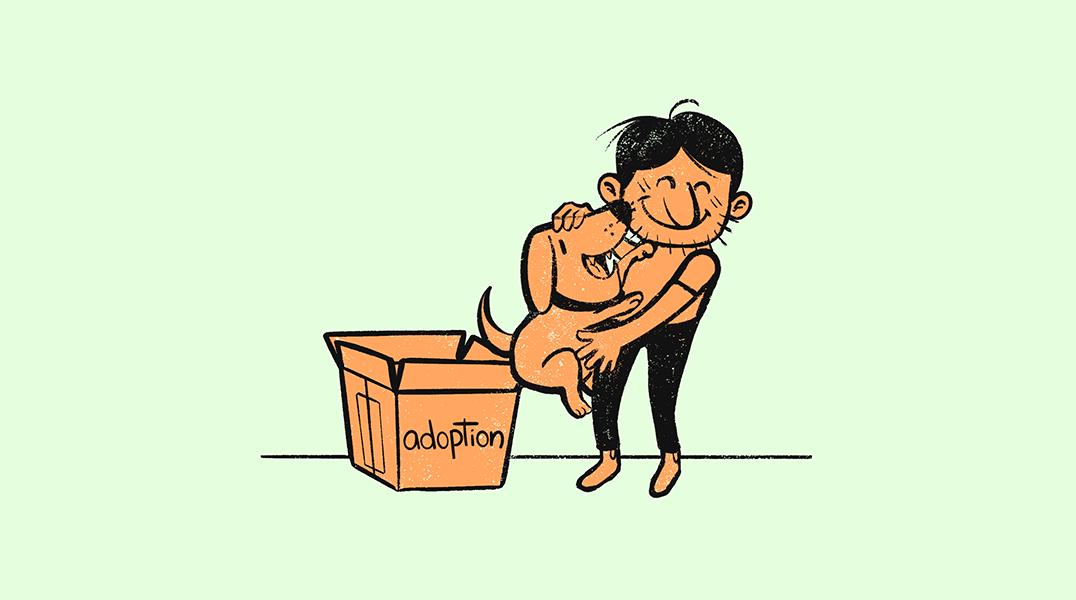
#7: Give back
Do someone a favor or give to a cause you care about. Finding a way to give back and support what brings you joy can be deeply meaningful. It's also a great way to express your gratitude and enjoy some lasting happiness from it.5

Financial Lesson:
How Practicing Gratitude Can Really Pay Off (And Why You Should Care)
Are you already in the habit of any of these practices?
Which new one are you willing to try out tomorrow?
No matter how you answer those questions, there’s a good chance you’re missing out on opportunities to express gratitude. If you are, you’re also giving up the many joys that it brings.2
The truth is, if you can make gratitude a regular practice, you won’t just be happier or more optimistic in the moment.2
You can actually reduce your overall anxiety and stress levels. You can also get much better at controlling your negative emotions.6
That can mean you experience far more joy in life while feeling better in general.
And those mental health benefits can last and transform the way we look at life.
But they’re really just the beginning when it comes to the benefits of gratitude.
Beyond the benefit for our minds, practicing gratitude can be good for the body and our relationships.
Practicing gratitude has been linked to improvements in our circulation, our blood pressure, our brains, and our heart health.6
It can also make our relationships stronger because there’s a boomerang effect with gratitude — the more we give it out, the more we tend to get it back.
That can make us feel more connected to others. It can also make us more willing to share our concerns, forgive, and go out of our way to help each other.2,6
Gratitude has the power to truly enrich us.
So can the right choices, support, and guidance.

P.S. Sign up for my emails. My subscribers get my best insights.
Sources:
2 - https://www.health.harvard.edu/healthbeat/giving-thanks-can-make-you-happier
3 - https://www.psychologytoday.com/us/blog/ending-addiction-good/202011/cultivating-gratitude
4 - https://positivepsychology.com/neuroscience-of-gratitude/
6 - https://healthcare.utah.edu/healthfeed/postings/2021/11/practicing-gratitude.php
Risk Disclosure: Investing involves risk including the potential loss of principal. No investment strategy can guarantee a profit or protect against loss in periods of declining values. Past performance does not guarantee future results.
This material is for information purposes only and is not intended as an offer or solicitation with respect to the purchase or sale of any security. The content is developed from sources believed to be providing accurate information; no warranty, expressed or implied, is made regarding accuracy, adequacy, completeness, legality, reliability, or usefulness of any information. Consult your financial professional before making any investment decision. For illustrative use only.
Advisory services offered through Cambridge Investment Research Advisors, Inc ., a Registered Investment Adviser. Strategic Wealth Design and Cambridge are not affiliated.
Material made by Snappy Kraken.